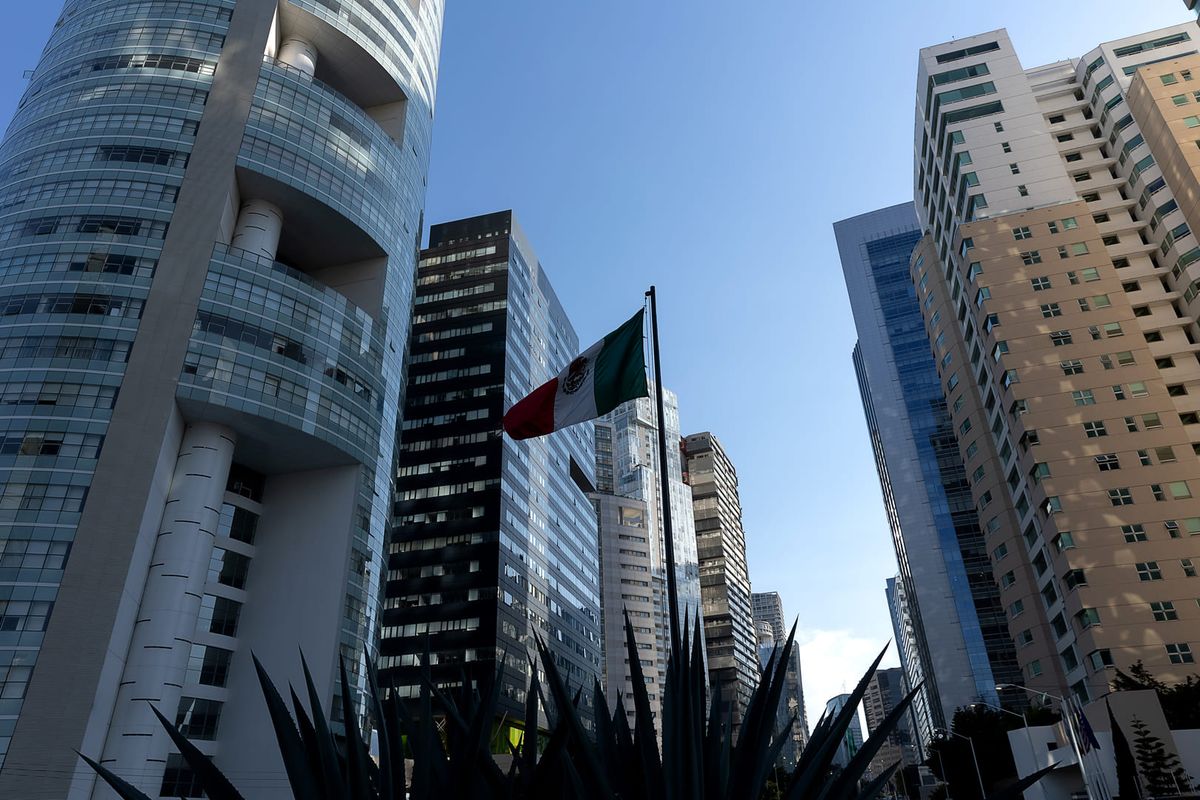
Mexico looks familiar from the United States, with well-known brands and a free trade agreement that keeps the market largely open to US products and services. That familiarity is the first trap, because the US Commercial Service's own guide says language and culture still call for a different approach.
This guide covers the marketing side of doing business in Mexico, for the US team and for the Mexican partners who receive it. It walks through language, channels and local trust, then closes with three questions to settle before you launch.
Close to the US, different in how people buy
On paper the case is easy. Retail ecommerce is already a large and growing part of Mexican consumption, and buyers move between stores and screens within the same purchase.
MX$941 billion retail e-commerce value in 2025, up 19.2% on the yearA
MVO, Online Sales Study 202677.
2 million digital buyers in Mexico
AMVO, Online Sales Study 2026
71%of consumers mix physical and digital channels in a purchase
AMVO, Online Sales Study 2026
Proximity gets you to the door, not through it. How people search, pay and decide to trust a brand is local, which is why three adaptations matter more than the size of your budget.
01. Language: Mexican Spanish, local search terms and tone
The US Commercial Service guide to Mexico, updated in February 2026, advises US firms to use Spanish-language materials and to communicate in Spanish whenever possible. It notes that many Mexican companies employ English-speaking staff but still recommends Spanish-speaking sales representatives. In practice, your website, quotes, support and follow-up emails should read as if they were written in Mexico.
Language also shapes how people find you. Even a single concept has several local names, and Hiweb's SE Ranking data for November 2026 shows it, with about 260 monthly searches in Mexico for comercio electrónico and about 170 for ecommerce. A team that optimizes for only one of them leaves demand uncovered, so local search starts with a keyword list built in Mexico. Our SEO service builds it and our web development service turns it into a Spanish-language site.
Tone matters as much as vocabulary. The same guide points to distinct cultural practices, such as customary meal hours, and to the value of strong working relationships with Mexican partners, so a first email that reads like a form letter works against you.
02. Channels: Where buyers look for brands and where they talk to them
For consumer sales, the US guide to Mexican ecommerce reports that Mercado Libre is the preferred marketplace, followed by Amazon, Walmart, Liverpool and Shein, so a marketplace listing often comes before a standalone store. Conversation also happens in messaging, since Facebook and WhatsApp reached 93% of the Mexican audience and 43% of online buyers had bought through conversational commerce, according to the guide's 2022 data.
Research starts earlier than many teams expect. A study by Think with Google and Ipsos found that 62% of Mexican shoppers research for up to three months before buying in the discount season and that 44% plan to use AI to compare options, so your content needs to be found by search and by AI assistants well before the purchase.
For industrial and B2B sellers the map changes, because the guide counts more than 1,500 trade shows a year in Mexico alongside digital advertising on Google, YouTube and social networks. Whatever the mix, our Google Ads, Meta Ads and community manager services cover paid media and social, and if you want a plan for your category, request a custom proposal.
03. Local trust: Reviews, local presence and a site made for Mexico
Trust has two layers. The first is what happens after the sale, and the guide is blunt about it, saying that service and price are extremely important to Mexican buyers and that reliable local service and maintenance have in many cases outweighed pricing or financing. A site that shows where support lives, in Spanish and with a Mexican contact, answers the question buyers quietly ask, and reviews plus a visible local presence, such as a Mexican phone number and address, are the practical signs that you are staying.
The second layer is skepticism toward promotions. Think with Google and Ipsos found that 28% of Mexican consumers fear misleading offers and that 65% of those who distrust believe brands raise prices before the event, so clear conditions and honest pricing build more trust than a bigger discount. Returns matter too, since AMVO reports that 22% of digital buyers have made one, and product descriptions rank among the five attributes buyers value most, which is why a Spanish site made for Mexico pays off. To see how these signals play out in the biggest sales season, read our guide to Cyber Monday 2026 in Mexico.
Three questions to answer before you launch
Before investing, write down three answers, because everything else depends on them.
| Question | What to define | Where to confirm it |
|---|---|---|
| Who is your buyer in Mexico? | Consumer or business, region and who decides the purchase | Your sales data, the AMVO study and the US Commercial Service guide |
| Where do they look for you? | Local search terms, marketplaces, messaging and trade shows | Keyword research in Mexico and your first campaigns |
| How do they prefer to pay? | Cards, installments and cash options | Your checkout data and sector payment studies |
On payments, the guide says debit and personal credit cards remain the preferred methods, cash is still important for convenience stores, restaurants and pharmacies, and installment purchases without a card are gaining ground, based on 2022 data. The Ministry of Economy reports that 7 in 10 Buen Fin 2025 purchases were made with bank cards, and Think with Google adds that 30% of shoppers look for meses sin intereses, interest-free installments, and that between 32% and 38% pick a product because it offers them. If you plan to sell online, our ecommerce development service builds the checkout around those options, and you can talk to a specialist on WhatsApp to review yours.
Where to start: B2C, B2B or marketplace
If you sell to consumers, the shortest path is usually a Spanish-language marketplace listing plus your own store, with payments and returns settled first. If you sell to businesses the sequence changes, because relationships, trade shows and after-sales service carry more weight and a Spanish-speaking representative is part of the plan. A marketplace is the fastest way to test demand, a store gives you control, and a B2B site is the proof a purchasing team checks before replying.
Whichever path you take, our CRM automation service keeps inquiries from getting lost between two countries and two languages, and if you want to map your own case, let's talk about your business goals.
Doing business in Mexico starts with a local marketing plan
Doing business in Mexico takes more than a translated website and a good product. It takes Mexican Spanish and local search, the channels where your buyers already are, and trust built through service, clear offers and a site made for them, all settled before launch with the three questions above.
At Hiweb we bring SEO, advertising, web development, ecommerce and CRM into one marketing strategy for US companies entering the Mexican market. Contact our team or message us on WhatsApp and we will map your first steps together.
Frequently Asked Questions
With debit and credit cards, according to the US Commercial Service guide, although cash still matters in some sectors. Interest-free installments weigh heavily, and 7 in 10 Buen Fin 2025 purchases used bank cards.