Organic web traffic is declining across thousands of sites because Google AI Overviews answer search queries directly on the results page without the user needing to click. According to Seer Interactive's September 2025 study, organic CTR on queries where an AI Overview is present dropped 61%, falling from 1.76% to 0.61%. If your traffic has declined in recent months, it is most likely not a technical problem with your site. It is a structural shift in how Google works.
Most businesses experiencing organic traffic drops are looking for a technical fix, a penalty to reverse, or a keyword to recover. But the wrong diagnosis leads to the wrong solution. What is happening is not that your SEO stopped working. It is that Google changed the rules and most sites are still operating with the old playbook. If you want us to analyze your site's current position right now, our SEO positioning service includes a complete diagnosis before any other action is taken.
What are Google AI Overviews and how do they work?
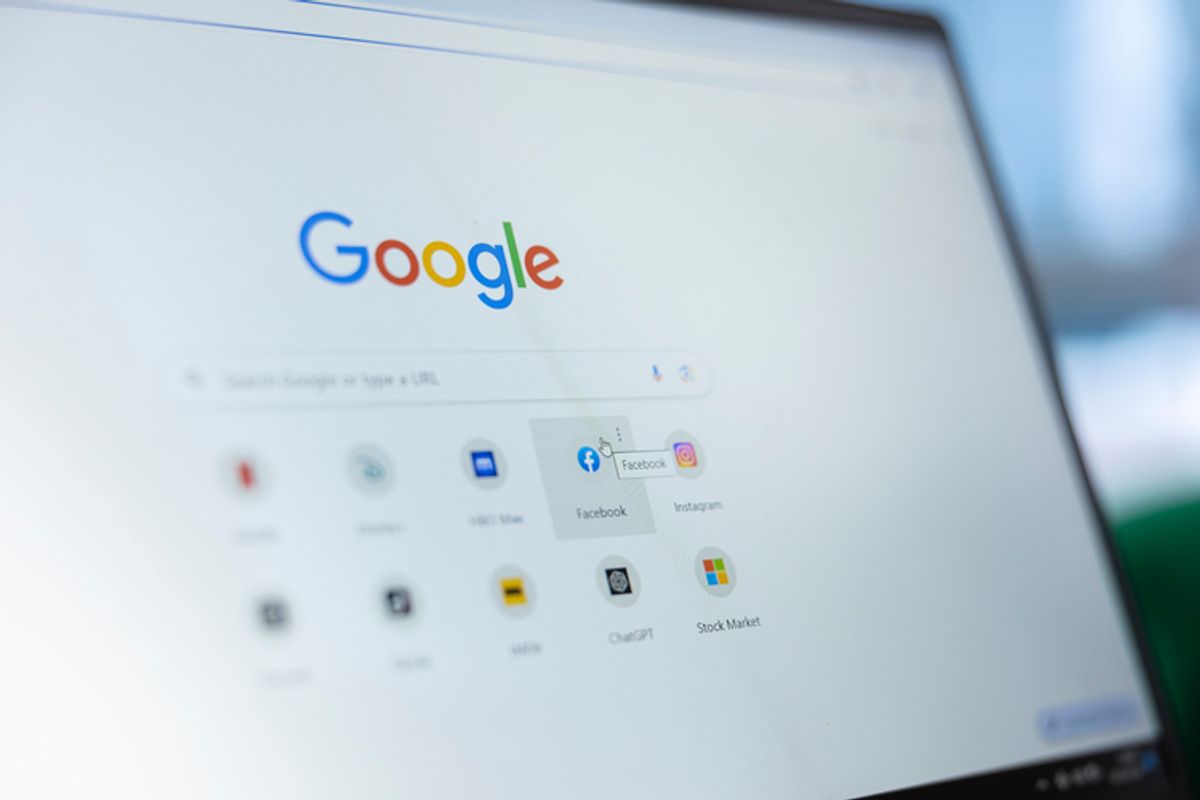
Google AI Overviews are AI-generated answers that Google displays at the top of search results, above traditional organic links. When someone searches for something informational, Google synthesizes information from multiple sources and presents a complete answer on the page without the user needing to visit any website.

Google launched AI Overviews in the US in May 2024 and has been expanding them progressively. As of March 2026, 48% of all tracked queries trigger an AI Overview, a 58% year-over-year increase according to BrightEdge February 2026 data. According to a Pew Research Center study from July 2025 analyzing 68,879 real Google searches, users click a traditional result only 8% of the time when an AI Overview is present, compared to 15% when it is not. To understand how this transformation also affects how AI engines find and recommend your brand, read: What Is GEO SEO and Why Your Brand Needs to Rank in AI Search.
Why organic web traffic is declining in 2026
The drop in organic traffic has several causes, but AI Overviews are the most significant and newest factor. Zero-click searches account for around 60% of all global searches. When an AI Overview is present that percentage rises to 80 to 83%. Organic CTR dropped between 34% and 61% according to multiple independent studies from Seer Interactive and Ahrefs. Google referral traffic to publishers fell 38% year-over-year according to Press Gazette.
| Content type | AI Overview impact | Risk level |
|---|---|---|
| Definitions and general concepts | Very high: Google answers directly | Critical |
| Generic guides and basic lists | High: easily synthesized | High |
| Comparisons and decision analysis | Medium: depends on depth | Medium |
| Content with original or proprietary data | Low: hard to synthesize without citing | Low |
| Conversion and service pages | Very low: transactional intent | Low |
Google also implemented multiple algorithm updates throughout 2025 and 2026 that prioritized user experience within Google itself, which in practice means Google answers more questions directly and sends less traffic to external sites.
How to diagnose whether AI Overviews are affecting your traffic
Before adjusting any strategy, you need to diagnose what is actually happening on your specific site.
| What to review | Where | Warning signal |
|---|---|---|
| Total organic traffic | Google Search Console | Drop greater than 15% vs same period last year |
| Impressions vs clicks | Google Search Console | Stable impressions with declining clicks |
| Average CTR by keyword | Google Search Console | CTR below 1% on informational keywords |
| Searches with AI Overview | Manual Google search | Your keyword triggers an AI Overview |
| Most affected pages | Analytics + Search Console | Informational pages with highest traffic drop |
| Average position | Google Search Console | Stable position but clicks in decline |
If impressions are holding steady or growing while clicks are falling, that is the typical AI Overview impact pattern: Google is still showing your content as a source but no longer needs the user to visit your site. The most vulnerable pages are those answering simple informational questions. The least affected are those with highly specific content, original data, or conversion-oriented intent. For a complete framework on how this diagnosis fits within a full SEO review, read: SEO Audit: The diagnosis your website needs first.
What to do to recover visibility in the age of AI Overviews
The strategic response is not doing more of the same SEO. It is adapting the strategy to how Google works now.
| Action | What it solves | Priority | Expected impact |
|---|---|---|---|
| Optimize direct answer blocks (50-70 words) | Being cited inside the AI Overview | High | +120% clicks per impression if citation achieved |
| Add original or proprietary data | Non-synthesizable content | High | Protects traffic from unique content |
| Implement schema markup | AI readability | Medium | Improves citation likelihood |
| Implement AEO and GEO alongside SEO | Visibility in generative engines | High | AI traffic that converts 4-5x more |
| Diversify traffic sources | Reduce Google dependency | Medium | Resilience against algorithm changes |
| Migrate generic content to decision content | Reduce zero-click vulnerability | High | Lower exposure to AI Overview impact |
Brands cited inside AI Overviews receive 120% more organic clicks per impression than uncited brands, according to Seer Interactive's April 2026 analysis. The goal is no longer just ranking in the top 3. It is being the source Google chooses to build its AI answer. That requires direct and verifiable answers, clear structure with 50 to 70 word answer blocks, data from recognized sources, correctly implemented schema markup, and consistent author profiles. At Hiweb we work SEO, AEO, and GEO as an integrated strategy. Learn more about our SEO positioning service and how we approach visibility in today's search ecosystem.
SEO did not die, it evolved
Every time Google introduces a major change, declarations that SEO is dead appear. It did not die with rich snippets, it did not die with Panda and Penguin, and it does not die now with AI Overviews. What changed is what type of SEO works.
The SEO that works in 2026 builds genuine authority on specific topics, produces content with enough depth and specificity that neither Google nor any AI engine can summarize it without citing you, and positions the brand as the reference source across both traditional search and generative AI engines. Brands that start adapting now have a real and growing advantage. Want to know which specific adjustments your strategy needs? Text us on WhatsApp and we will give you an honest assessment with no commitment required.
The problem is not that Google broke your SEO, it is that SEO needs to evolve with you
Organic web traffic declined for almost everyone in 2025 and 2026. Not because sites got worse but because Google changed how it distributes user attention. AI Overviews are not going away and their coverage will keep expanding. The question is no longer whether they affect you. It is what you are doing to adapt.
Brands that understand this shift and adjust their content strategy, technical structure, and visibility approach have a real and growing advantage. At Hiweb we design positioning strategies that integrate SEO, AEO, and GEO so your brand is visible wherever your customers search, whether in traditional Google, in AI Overviews, or in generative engines like ChatGPT and Perplexity.
Contact us to schedule your free consultation, or text us on WhatsApp and tell us how your site's traffic is performing today.
Frequently Asked Questions
They are AI-generated answers that Google displays at the top of search results above traditional organic links. They synthesize information from multiple sources and answer the user's query without requiring a website visit.